Finding Strength in Tough Times: Growing Beyond Concrete While Masking Your Joy
- JENNIFER Nix
- May 8
- 3 min read

Life often feels like standing on a slab of concrete—unyielding, cold, and unbreakable. Concrete symbolizes hardness, resistance, and sometimes, emotional numbness. Yet, what if there is something harder than concrete? What if, despite the weight of this hardness, growth is still possible? This post explores how you can rise above the toughest moments, avoid getting mentally stuck, and understand the complex role of smiling as both a mask and a beacon of love.
What Is Harder Than Concrete?
Concrete is one of the toughest materials we know, used in buildings, roads, and bridges. It withstands pressure, weather, and time. But when we talk about something harder than concrete, we often mean emotional or mental hardness—the barriers we build inside ourselves.
Mental blocks can feel tougher than physical materials.
Emotional pain can create walls that seem impossible to break.
Life challenges can harden our hearts and minds, making us feel stuck.
This hardness is not visible like concrete but can be just as real and limiting. It can trap us in patterns of thought and feeling that prevent growth.
How Concrete Can Still Support Growth
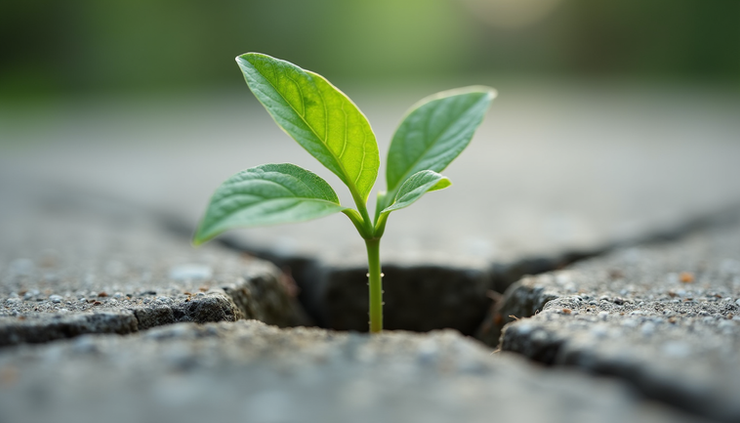
Despite its hardness, concrete can support life. Plants grow through cracks, roots find their way beneath it, and moss covers its surface. This is a powerful metaphor for human resilience.
Growth happens in cracks: When life feels hard, small openings appear—moments of hope, kindness, or insight.
Persistence matters: Like a plant pushing through concrete, your persistence can break through mental barriers.
Adaptation is key: Growth doesn’t mean breaking the concrete but learning to live with it and find ways around it.
For example, someone facing grief might feel emotionally hardened but still find moments of joy or connection that allow healing to begin.
Avoiding Mental Stuckness
Getting mentally stuck means feeling trapped by your circumstances or emotions. It can feel like the concrete has taken over completely. Here are ways to avoid this:
Recognize the hardness: Acknowledge when you feel stuck instead of denying it.
Seek small changes: Even tiny shifts in routine or mindset can create cracks in the hardness.
Reach out for support: Talking to others can help you see new paths.
Practice self-compassion: Be gentle with yourself during tough times.
For instance, journaling about your feelings or taking a short walk can create mental space and prevent stagnation.
The Role of Smiling When You Feel Masked
Smiling is often seen as a sign of happiness, but it can also mask deeper feelings. When you smile while feeling stuck or hardened inside, it serves multiple purposes:
Hiding pain: A smile can protect you from showing vulnerability.
Radiating love: Even a masked smile can express care and connection to others.
Maintaining social bonds: Smiling helps keep relationships alive, even when you struggle.
This dual nature of smiling means it is both a shield and a bridge. It hides your inner struggles but also shows your willingness to connect.
How Smiling Reflects Love for Humans
Smiling is a universal human expression. Even when it feels forced, it can communicate:
Empathy: A smile can show understanding and kindness.
Hope: It signals that you still care despite difficulties.
Presence: Smiling keeps you engaged with the world and others.
For example, a caregiver might smile to comfort a loved one, even when feeling overwhelmed themselves. This smile carries love beyond words.
Practical Steps to Grow Beyond Concrete Hardness
Growth in tough times requires intentional effort. Here are practical ways to nurture growth:
Identify your cracks: Notice moments of light or hope, no matter how small.
Create daily rituals: Simple acts like deep breathing or gratitude journaling can soften hardness.
Connect with nature: Spending time outdoors can remind you of natural cycles of growth.
Express yourself: Use art, writing, or conversation to release emotions.
Set small goals: Achievable steps build momentum and confidence.
These actions help you break through mental and emotional concrete, allowing your true self to emerge.
Stories of Growth Through Hardness
Consider the story of Maya Angelou, who faced immense hardship but used her experiences to inspire others. Her resilience shows how even the hardest life conditions can lead to profound growth.
Or think about a tree growing in an urban environment, pushing roots through cracks in the sidewalk. It adapts and thrives despite concrete barriers.
These examples remind us that growth is possible, even when conditions seem impossible.


Comments